Eleven Minutes to Space and Back: What Besxar's First Flight Proved
July 5, 2026 - Space Launch Complex 40, Cape Canaveral, Florida. Results published September 9, 2026.
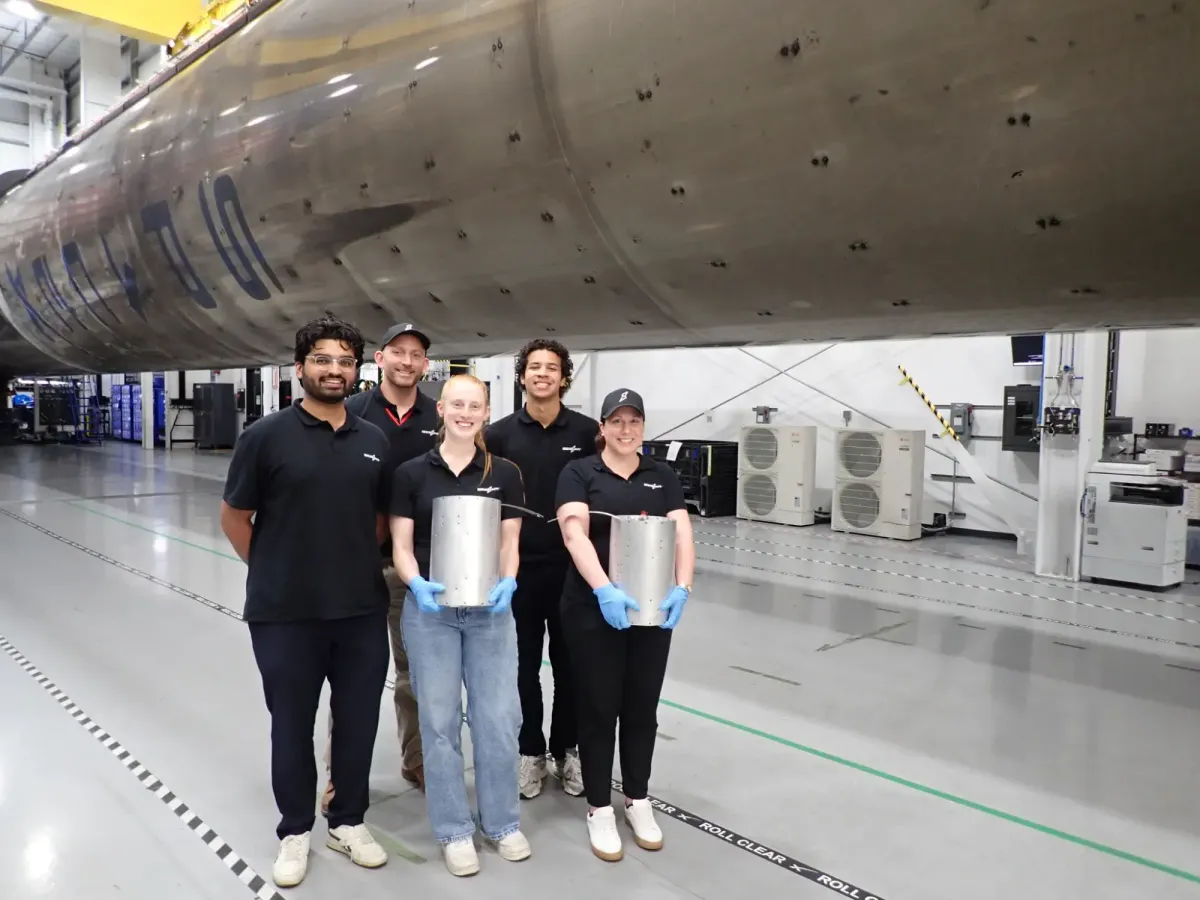
At 6:50 a.m. Eastern on July 5, a Falcon 9 left Cape Canaveral with 29 Starlink satellites on top and two small canisters riding on its first stage. The satellites went to orbit. The canisters went about 71 miles up, above the Kármán line, came home with the booster, and were recovered intact. The company puts the whole mission at about eleven minutes.
Those canisters belong to Besxar, a company in my portfolio that wants to manufacture semiconductor materials in space. I posted about the launch the day it happened. On September 9 the company published what it learned, and both Payload and TechCrunch covered the results. This piece pulls the three together, with my own read on why the approach is smart and what still has to be shown.
 Tim Fernholz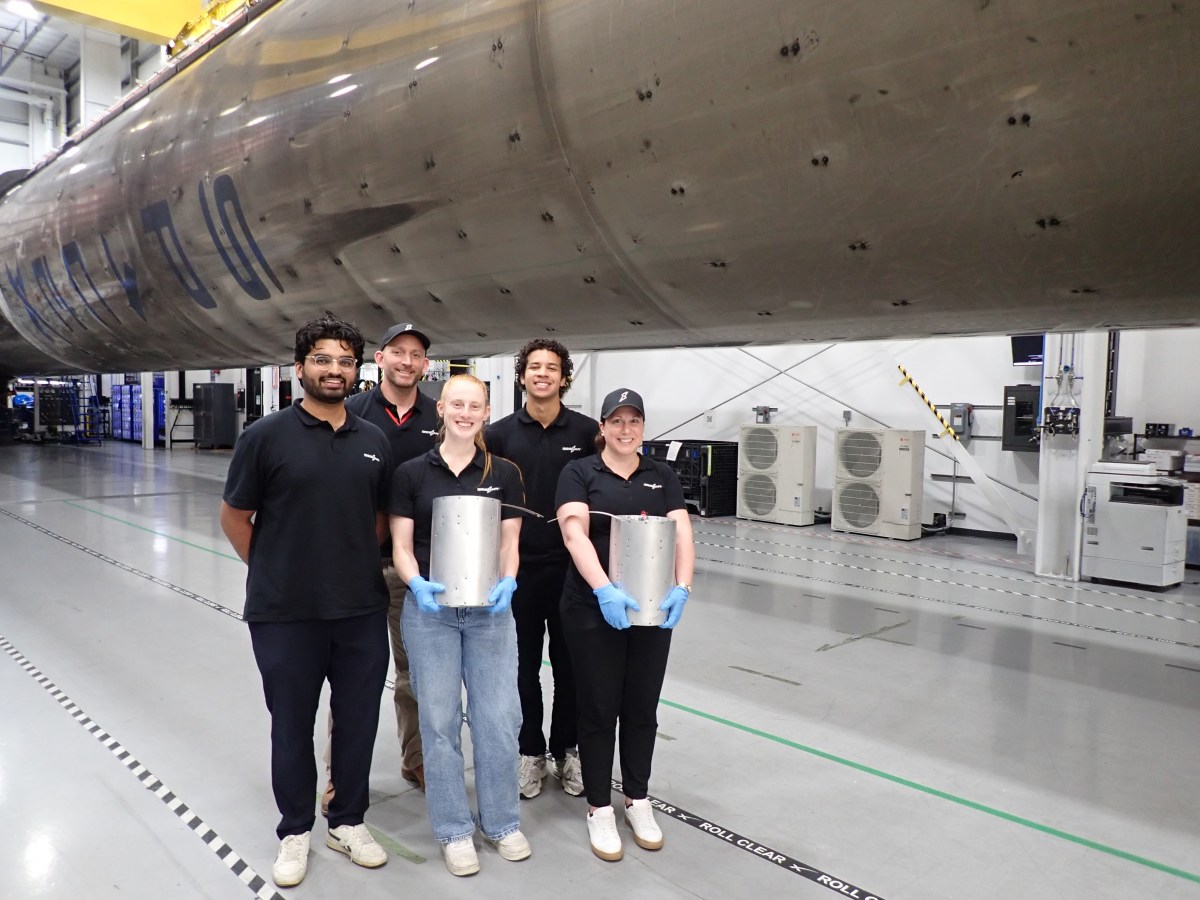
 Jacqueline Feldscher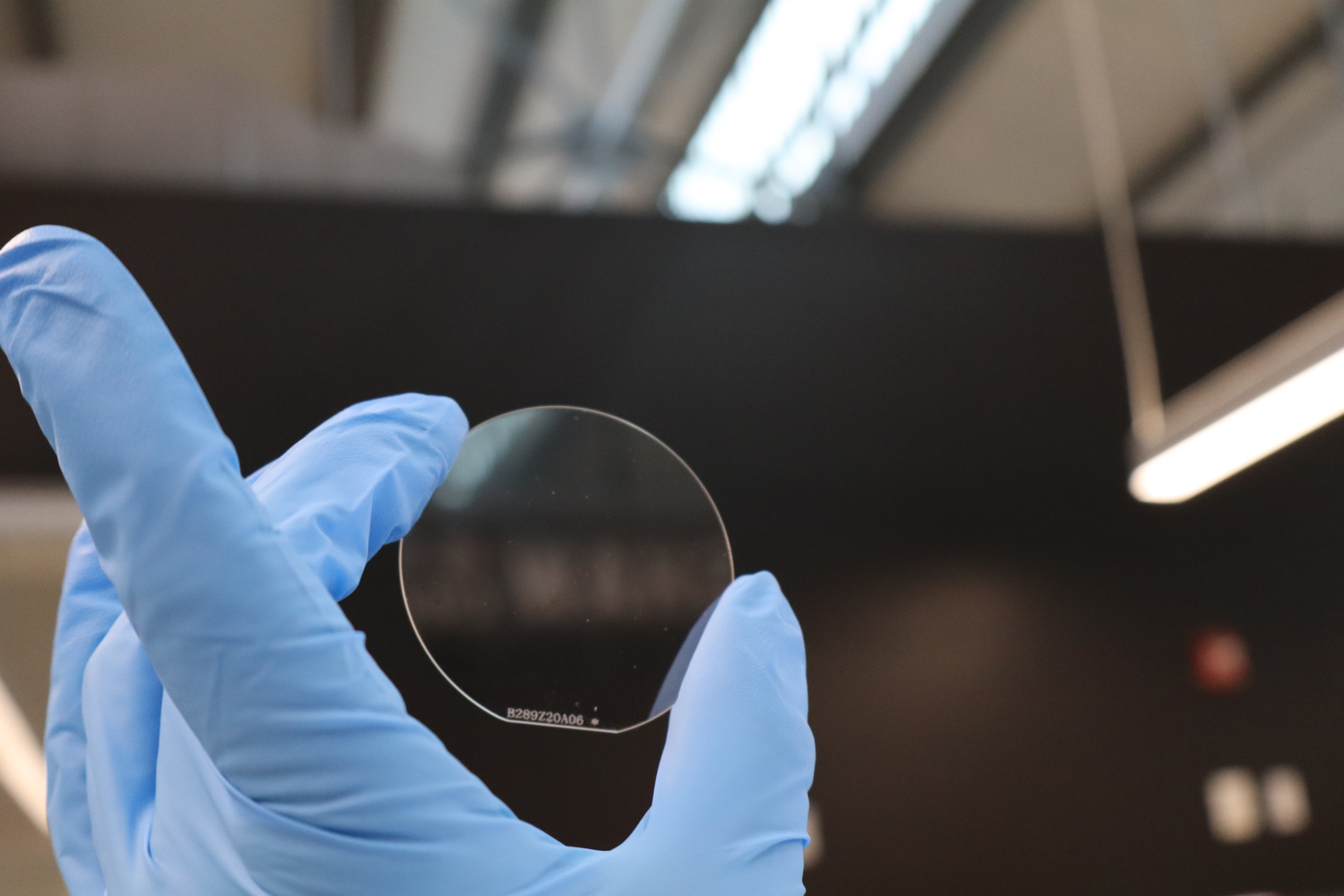
Why make chips in space
A chip fab is one of the most expensive buildings people construct, and a large share of that expense goes to one job: keeping contamination away from the wafer. Clean rooms filter out particles too small to see. Vacuum chambers and pumps remove the air itself for the process steps that need it. I covered the physics in more depth last December in Beyond Earth's Limits: ultra-high vacuum is hard and costly to make on Earth and abundant in space, and in compound semiconductor fabrication, contamination is the enemy.
Both outlets carry the same argument from founder and CEO Ashley Pilipiszyn: the industry spends billions on the ground creating conditions that exist for free a short rocket ride up. Her one-line version, from the TechCrunch interview with Tim Fernholz: "Don't do it on Earth where you're fighting physics."
What Flight-1 had to prove
Flight-1, which the company calls Mission Asimov, manufactured nothing. It was a cleanroom test. According to the announcement, the canister had three jobs: hold together through launch, re-entry and recovery; let vacuum in so the materials inside are exposed to it; and keep contaminants out while doing so.
Ashley put the stakes plainly to Payload's Jacqueline Feldscher: "If we can't keep it clean and protect the wafers, nothing else matters."
The two Clipper-class canisters, the first of what Besxar calls Fabships, carried GaN-on-sapphire, undoped silicon and bare sapphire wafers from the company, along with gallium arsenide and aluminum indium arsenide antimonide wafers from research partners at the University of Virginia and the University of Texas at Austin. The wafer cartridges, power system, avionics and circuit boards were designed and built by the team and were flying for the first time. All of it passed qualification on the first go.
What came back
The canisters did their three jobs. Besxar's post-flight tests came back in line with expectations. Engineers checked the wafers and canister interiors against markers recorded before the flight and found them undamaged: nothing cracked, nothing warped.
The detail I find most interesting came from the TechCrunch interview. Ashley said the flown samples came back cleaner, with less particulate matter, than comparable wafers that stayed on the ground. The university samples are now going through independent material-level analysis, which may say more about what vacuum exposure does to these materials and how manufacturable they are afterward.
Besxar's eventual process is meant to run autonomously, so the flight also tested the first version of its data system. It logged pressure, acceleration, temperature, vibration and shock for the whole mission. One canister's data system ran clean. The other had an anomaly while recording flight data, and the company is closing out that review before the next flight. I like that the anomaly sits in the company's own release, next to the wins.
From the announcement: "We proved that the hardware is viable." The team designed and tested these first capabilities in nine months.
The booster as a test bench
This is the part of the plan I find smartest. Many in-space manufacturing companies build their own re-entry vehicle to get product home. Payload notes that Besxar hands that problem to its launch provider: the canisters come back on the same Falcon 9 booster that carried them up, and the plan for longer missions is to ride inside vehicles like Starship the same way.
That booster is also the most frequent round trip in spaceflight: 163 flights to space and back last year and more than 100 already this year, by TechCrunch's count. The same piece has the backstory. Ashley went to SpaceX three years ago looking for Starship flights, and the booster arrangement became the way to retire technical risk while Starship matures. When Besxar announced the agreement last October, it described the campaign as the first reusable payload program to fly on a SpaceX rocket.
Her framing: launch is now a dependable transport layer, so Besxar can put its effort into the application layer, the manufacturing itself.
I spend most of my time on picks-and-shovels companies in physical AI, and I see the same pattern here one layer up. Once transport is dependable and frequent, the interesting work moves to what rides on it. Twelve contracted flights on the most-flown booster in spaceflight give a hardware team something rare: an iteration loop measured in months.
What comes next
Flight-1 was the first of 12 contracted missions, and Ashley told Payload the second should launch before the end of the year. According to TechCrunch, the coming flights add process steps one at a time: first heat, then a single deposited material, then a second, with about two more years of iteration ahead and larger fabs on a Starship-class vehicle as the end goal. The commercial target is supplying wafers to major chipmakers for power electronics, the chips that regulate electricity in data centers, robots and electric vehicles. That list is why a space company sits comfortably in a physical AI portfolio.
The open question is volume. Every team working on space-made semiconductors (TechCrunch names United Semiconductors and Space Forge) faces the same limit: how much product it can bring home. Growing a fab's output from hundreds of wafers to thousands only works if launch keeps getting cheaper, which means Starship reaching operations, or Rocket Lab and Stoke Space fielding their own next-generation rockets. I see that as good news for the whole category, since every new vehicle that flies raises the ceiling for everyone building on top of it.
The TechCrunch piece is worth reading in full, including for where the company's name comes from.
Who is backing it
Per the company's announcement, Besxar raised a $10.3M seed round ahead of the mission, led by Dauntless Ventures alongside Overture VC, Keymaker VC, 645 Ventures, Singh Capital Partners, Koru Capital, Plum Alley Ventures, Mana Ventures and Earthrise VC. Payload describes Overture as co-lead. That brings total funding to $14.7M, and the company says this mission and the flights ahead are financed by its early investors.
Two earlier signals, both from last October's announcement: a first Department of Defense contract underway, and a place in NVIDIA's Inception program. In February the company added Diem Salmon as Chief Revenue Officer.
A few things to remember
Flight-1 tested the cleanroom, and the cleanroom worked. The canisters survived launch, re-entry and recovery, let vacuum in, kept contaminants out, and brought every wafer home undamaged. Nothing was manufactured on this flight. Heating and deposition are the next rungs.
The flown wafers came back cleaner than the ones that stayed home. It is an early, company-reported result, and independent analysis of the university samples is still underway. If it holds across more flights, it is the core of the thesis showing up in data.
Riding the booster removes two hard problems. Besxar does not have to build a re-entry vehicle, and it gets access to the most frequent round trip in spaceflight. Twelve contracted flights turn a space program into an iteration loop.
The constraint is return volume, and the whole category shares it. Scaling from a handful of wafers to thousands per fab depends on bigger, cheaper vehicles. Starship, Rocket Lab and Stoke Space matter to Besxar and to every other team making things in orbit.
One anomaly, disclosed. A flight-data recording issue on one canister is under review before Flight-2.
Congratulations to Ashley and the Besxar team. Flight-2 is expected before the end of the year, and I will report back when it flies.
References
- Besxar, "Besxar Completes Inaugural Flight with SpaceX, Advancing Path to Semiconductor Manufacturing in Space," September 9, 2026.
- Jacqueline Feldscher, "Besxar Flies Suborbital Semiconductor Demo," Payload, September 9, 2026.
- Tim Fernholz, "Besxar is building an orbital semiconductor factory, one SpaceX rocket at a time," TechCrunch, September 9, 2026.
- The OPTIM Update, "SpaceX Falcon 9 launches 29 Starlink satellites and BESXAR's Flight 1 from Florida," July 6, 2026.
- The OPTIM Update, "BESXAR Out of Stealth: Pioneering Orbital Semiconductor Manufacturing," October 29, 2025.
- The OPTIM Update, "Beyond Earth's Limits: The Compelling Advantages of Space-Based Manufacturing for Advanced Materials," December 28, 2025.
Disclosure: I am an investor in Besxar. Flight results, roadmap and funding figures in this piece are as reported by the company and by Payload and TechCrunch. I have not independently verified them, and post-flight analysis of the university samples is ongoing.